2025
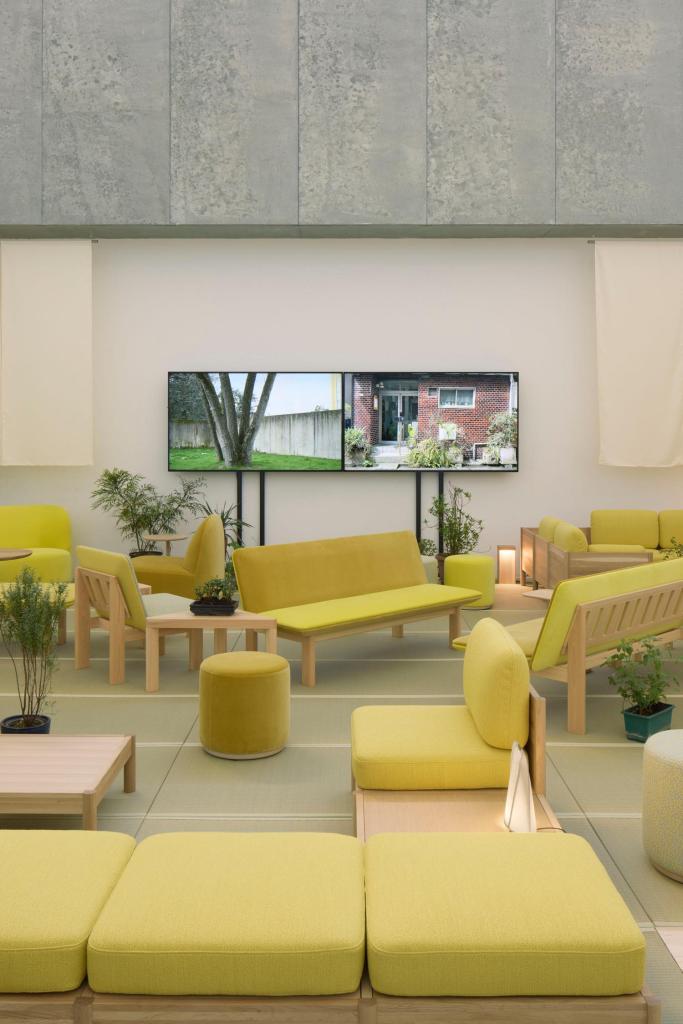
Video Works City Plants by two artists Taisuke Koyama and Shinji Otani for Karimoku New Standard+ MAS installationo in Milan Design Week 2025
Karimoku New Standard + MASによるMilan Design Week 2025のため、写真家・小山泰介、大谷臣史に「City Plants」をテーマに、コミッションワークの制作をディレクションしました。
Curatorial Concept:
City Plants
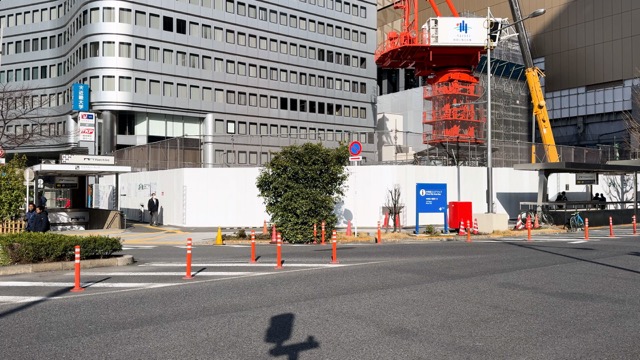
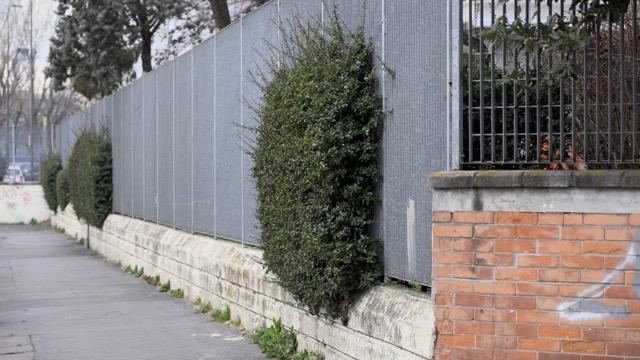
「City Plants」はいわば「Urban Personal Garden」ともいうべき、都市の隙間(in-between spaces)に人間が作り出した植物の光景を指す。下町、オフィス街のビルの間の路地、高架下の路肩など、都市の周縁的場所(marginal places)にそっと置かれた盆栽やプラント。誰が育てたか、放っておかれているかも定かではない植物たち。人によるゲリラ的、侵食的、領域的なアプローチではなく、むしろ日常の営みが個人スペースの外に溢れてしまったような風景には、生活と都市のアイロニカルなコントラストが映し出される。置かれた場所でコンクリートやプラスチックを飲み込みながら自由に葉を伸ばす植物たちの不自然な「自然」の姿に、都市に暮らす人々の人間らしさと、時に人工物を侵食しうる自然の力強さが滲み出る。
深井佐和子
“City Plants” refers to what could be called an “Urban Personal Garden”—scenes of plants cultivated by humans in the in-between spaces of the city. These include bonsai and potted plants quietly placed in marginal places such as backstreets of downtown areas, alleys between office buildings, or roadsides beneath highways. Often, it is unclear who nurtured them or whether they have been left unattended.
Rather than a guerrilla, invasive, or territorial approach by people, these scenes appear as if daily life has overflowed beyond personal spaces. This creates an ironic contrast between urban life and the city itself. The plants, placed as they are, stretch their leaves freely, absorbing concrete and plastic into their surroundings. In their unnatural “natural” state, they reveal both the humanity of city dwellers and the quiet yet formidable power of nature, which at times seems capable of reclaiming the artificial. – Sawako Fukai

